Choosing between K-Cups and ground coffee is less about finding a universal winner and more about deciding what your morning needs from coffee. One format favors speed and consistency. The other gives you more room to adjust flavor, strength, and the amount you make. Both can make a satisfying cup when the coffee is fresh and the brewing method fits your routine.
“K-Cup” is often used as shorthand for single-serve pods, even though compatibility still depends on the brewer and pod format. Ground coffee covers a wider world: drip machines, French presses, pour-overs, cold brew, and more. The tradeoff is simple at first, then surprisingly personal once you think about cleanup, household habits, flavor preferences, and how much time you actually have before the day starts.
What Is the Difference Between K-Cups and Ground Coffee?
Single-serve pods hold a pre-measured portion of coffee inside a sealed container. Put one in a compatible brewer, choose a cup size, and the machine handles the water flow. Ground coffee is loose coffee that you measure yourself before brewing in a method designed for it. A drip brewer, French press, pour-over, or reusable single-serve basket can all use ground coffee, but each asks you to do a little more of the work.
That difference affects the whole experience. Pods remove measuring and most of the mess. Ground coffee gives you control over the coffee-to-water ratio, grind size, brew time, and amount of coffee in the pot. Neither format makes bad coffee inevitable or good coffee automatic. The quality and freshness of the coffee, clean equipment, water, and a suitable brew setting still matter.
For people who want one dependable cup with as few decisions as possible, pods are often the natural fit. For people who enjoy dialing in a cup or serving more than one person, ground coffee tends to make more sense. The best choice can also change from weekday to weekend.
Convenience: Pods Win the Fastest Mornings
A pod brewer is built for a quick, repeatable single serving. There is no scoop to level, filter to fold, or carafe to wash before you leave. That matters when coffee is one stop in a packed routine. A pod also makes it easy for different people in the same home to choose different roasts without opening several bags or brewing a full pot.
Convenience is not just about minutes. It is about reducing decisions when you are not interested in making decisions. With a compatible pod and a clean machine, the portion is already set. You can make a smaller or larger cup within the brewer’s recommended range and move on. The downside is that the machine and pod format set more of the limits, so you have less room to adjust a cup that tastes too weak or too intense.
Ground coffee takes a little longer, but the routine can still be simple. An automatic drip machine can be set up the night before. A French press or pour-over may take only a few focused minutes. The National Coffee Association’s brewing guide recommends starting with a proportion of one to two tablespoons of ground coffee for every six ounces of water, then adjusting to taste. That flexibility is exactly why some people prefer grounds.

A useful question is not “Which method is faster?” It is “Which method will I keep using?” A pod machine is a strong choice if measuring feels like friction every morning. Ground coffee can be just as practical if making a pot for the household is already part of your routine. Buying equipment that asks more attention than you want to give is a fast way to make coffee less enjoyable.
Flavor: Ground Coffee Gives You More Control
Ground coffee has the advantage when you want to shape the cup around your own taste. You choose the amount of coffee, the water temperature supported by your brew method, the brew time, and the cup size. If a coffee feels thin, you can use more grounds or make less coffee. If it feels too heavy, you can change one variable at a time. That kind of control is valuable when you have a favorite roast or want to explore a single-origin coffee with more distinct notes.
Pods can still taste excellent, especially when the coffee is fresh and the cup size matches the pod. Their strength is consistency. The same pod brewed on the same setting should land close to the same flavor from one day to the next. The key is not stretching a pod beyond the amount of water it was designed to handle. A large cup from one pod may be convenient, but it can dilute the flavor.
Freshness matters in either format. Coffee begins changing after roasting, and heat, moisture, air, and time can make a once-lively cup taste flatter. Sealed pods protect an individual portion, while a bag of grounds needs to be closed and stored carefully after opening. Buying coffee that is roasted after you order gives both formats a stronger starting point.
Roast level is not a shortcut for flavor or strength. A medium roast can be smooth and sweet, while another medium roast can be bright and citrusy. A dark roast can be rich and chocolatey, but it can also lean smoky or bittersweet. With grounds, it is easier to test one coffee across different brew methods and ratios. With pods, select a flavor profile you already enjoy and use the smaller recommended cup setting when you want more concentration.
Caffeine: The Format Does Not Tell the Whole Story
It is tempting to assume that a pod has less caffeine than ground coffee, or that the darkest roast always gives the strongest boost. Neither shortcut is dependable. The caffeine in a finished cup depends on the coffee itself, how much coffee goes into the brew, the serving size, and the brew method. A large mug made from one pod and a small, concentrated cup made from grounds can feel very different.
For a more consistent routine, read the caffeine information from the coffee company when it is available and keep your serving size consistent. If you are sensitive to caffeine, the most useful habit is tracking the coffee, cup size, and time of day that work for you. Changing from a pod to grounds does not automatically solve that question, but ground coffee can make portion changes easier to control.
Flavor intensity and caffeine are separate decisions. A rich, dark-tasting coffee may not have more caffeine than a lighter-tasting one, and a bright coffee can still feel substantial. Choose the taste you enjoy first, then adjust the amount and time of day around how your body responds. Coffee should support your routine, not turn it into a daily guessing game.
Equipment and Learning Curve
Pods keep the learning curve low. Once you know which format fits your brewer, most of the variables are handled by the machine. You still need to keep the reservoir clean and follow the manufacturer’s descaling schedule, but the day-to-day process is straightforward. This makes pods a sensible choice for guests, shared kitchens, and anyone who wants a predictable cup without a morning lesson in extraction.
Ground coffee offers more paths, which can be a benefit or a distraction. A basic drip machine is familiar and easy to use. A French press makes a fuller-bodied cup but needs a little attention to timing and cleanup. A pour-over gives you a hands-on ritual and can highlight delicate flavors, but it asks you to pour slowly and measure carefully. You do not need every method. Pick the one that matches the coffee you want and the time you have.
Grind is part of the equation with loose coffee. A grind that is too coarse or too fine for the brewer can make a cup taste weak, harsh, or muddy. Pre-ground coffee removes that decision, while whole beans and a grinder give you more control. There is no shame in keeping it simple. Consistency is more valuable than an elaborate setup you only use twice.
Cost: Compare the Cup You Will Actually Drink
Ground coffee usually costs less per prepared cup because you are paying for coffee rather than individual pod packaging and a specialized format. It is also easier to buy a larger bag when you know you enjoy the roast. That can make it a practical choice for households that brew several cups at once or for anyone who drinks coffee throughout the day.
Pods often cost more per cup, but the number on the price tag is not the full story. If a pod prevents you from buying a coffee-shop drink on a rushed morning, it may still fit your budget well. Pods can also reduce wasted coffee for one-person households. Brewing half a pot that goes cold is not a bargain just because the grounds were cheaper.
Use a simple comparison: divide the bag price by the number of cups you realistically make from it, then compare that number with the price per pod. Be honest about your portions. A strong eight-ounce cup may use more grounds than a standard recipe, while a pod brewed at an oversized setting may not give you the flavor you expected. Value is the combination of cost, taste, and how much coffee you actually finish.
It also helps to count the equipment you already own. A pod brewer is a dedicated purchase, while a basic drip machine may already be in your kitchen. A French press, pour-over dripper, or reusable filter has an upfront cost but can make a lot of cups over time. Avoid buying a collection of tools to solve a problem a simpler routine would solve better.
Cleanup and Waste: The Tradeoff Is Real
Pods are hard to beat for cleanup. The used pod comes out in one piece, and there are no wet loose grounds in a filter basket. That simplicity is useful in an office, dorm, shared kitchen, or any morning when a sink full of gear is the last thing you want to manage.
Ground coffee creates more cleanup, but the spent grounds are useful in a compost system where local guidance allows it. Filters vary too. Some people use paper filters, while others choose a reusable metal filter and rinse it after each brew. The right choice depends on the brewer you enjoy using and the cleanup you are genuinely willing to keep up with.

Packaging matters, but it should not be the only factor. The most sustainable coffee routine is often the one you will use consistently without throwing away stale coffee, repeatedly ordering drinks in disposable cups, or buying equipment that sits unused. If waste is a major priority, compare the pod materials and recycling or disposal instructions available in your area, then weigh that against how much coffee and packaging each method actually uses in your home.
For grounds, freshness also reduces waste. Buy a quantity you can finish while it still tastes good, close the bag tightly, and keep it away from heat and moisture. For pods, buy a format that fits your brewer and a flavor you are likely to use regularly. A drawer full of incompatible pods and a stale bag of coffee are the same expensive lesson in different packaging.
Brewing for One Person or a Crowd
Pods are made for one cup at a time. That is ideal when one person leaves before everyone else, when roommates prefer different coffees, or when you want an afternoon cup without making a full pot. It is also useful when you want coffee ready quickly but do not want a second serving waiting around to become bitter or cold.
Ground coffee is usually the better fit when several people want coffee at once. A drip brewer can make a carafe for breakfast, and a larger French press can serve a table without repeating the same pod cycle. Grounds also work across more brew methods, so they give you options as your routine changes. You can use the same coffee in a drip machine today and a pour-over tomorrow.
There is a middle ground. Some brewers accept reusable baskets filled with ground coffee. That can give you the speed of a single-serve machine with more choice over the coffee you use. Check the brewer manual before trying one, because the basket shape and fill level need to match the machine.
Think about the busiest person in the home, not just the most coffee-curious one. A family may be happiest with a carafe of ground coffee at breakfast and a few pods available later in the day. A solo coffee drinker may get more value from pods on workdays and a small bag of ground coffee for the weekend. There is no prize for forcing every cup through the same format.
How to Choose Based on Your Routine
Choose pods when your priority is a quick, consistent single cup and you have a brewer that accepts the format you are buying. They are a good fit for busy weekday mornings, households with several different coffee preferences, and people who would rather not measure coffee before the first meeting of the day.
Choose ground coffee when you want control over strength and flavor, brew coffee for more than one person, or enjoy switching between methods. It is especially useful when you want to explore the character of a roast or a single-origin coffee. The extra steps are not difficult, but they do reward a little attention.
You do not have to declare loyalty to one format. Many coffee drinkers keep pods for the workweek and grounds for slower mornings. Think of the decision as matching the coffee to the moment. A simple pod can be right when time is short. A bag of freshly roasted ground coffee can be right when you want more control and a little room to enjoy the process.
Before buying a large quantity, run a small test. Make coffee the way you normally drink it, at the time of day you normally drink it. A coffee that is enjoyable black at a quiet kitchen counter may feel different in a travel mug with milk while you are racing out the door. A fair test is more useful than a perfect review written for someone else’s routine.
A Simple Way to Decide
Start with four questions. Do you usually make one cup or several? Do you want coffee ready in minutes with almost no cleanup? Do you enjoy adjusting strength and flavor, or do you prefer a repeatable result? And are you buying for a weekday rush, a shared household, or a slower weekend ritual? Your answers will point toward the better format more reliably than a broad claim that one is always better.
- Choose pods for fast single cups, minimal cleanup, and different preferences in the same household.
- Choose grounds for larger batches, flexible brewing methods, and more control over the finished cup.
- Keep both when your weekday and weekend routines call for different kinds of coffee.
- Buy a smaller quantity first, then make the coffee at the cup size and with the additions you normally use.
Whichever format you choose, keep the equipment clean and the coffee stored well. Those two habits do more for a better everyday cup than switching formats every time a coffee disappoints. Give a new coffee a couple of brews before making a final decision, especially if you are learning a new method or using a different cup size than usual.
Make Either Method Taste Better
Start with clean water and clean equipment. Old coffee oils can make a fresh cup taste harsh, while mineral buildup can affect how a brewer runs. Rinse removable parts regularly and follow the cleaning directions for your machine. With a drip brewer or French press, wash the carafe or press soon after use instead of leaving old coffee sitting in it.
For pods, use the cup size intended for the product and run a plain-water cycle when the brewer needs a quick refresh. For grounds, measure the same amount for a few brews before changing anything. When the cup needs more body, use a little more coffee rather than simply adding more water. When it tastes sharp or heavy, change one variable at a time. That is the fastest way to learn what improved the cup.
Milk, sweetener, and ice can also change which format you prefer. A coffee you enjoy black may not be your favorite when poured over ice, and a lighter coffee can be a better match for milk than a heavier roast. Test coffee in the form you actually drink most often. The right everyday choice is the one that keeps tasting good after the first exciting cup.
Find Your Best Everyday Coffee at 2 Kings
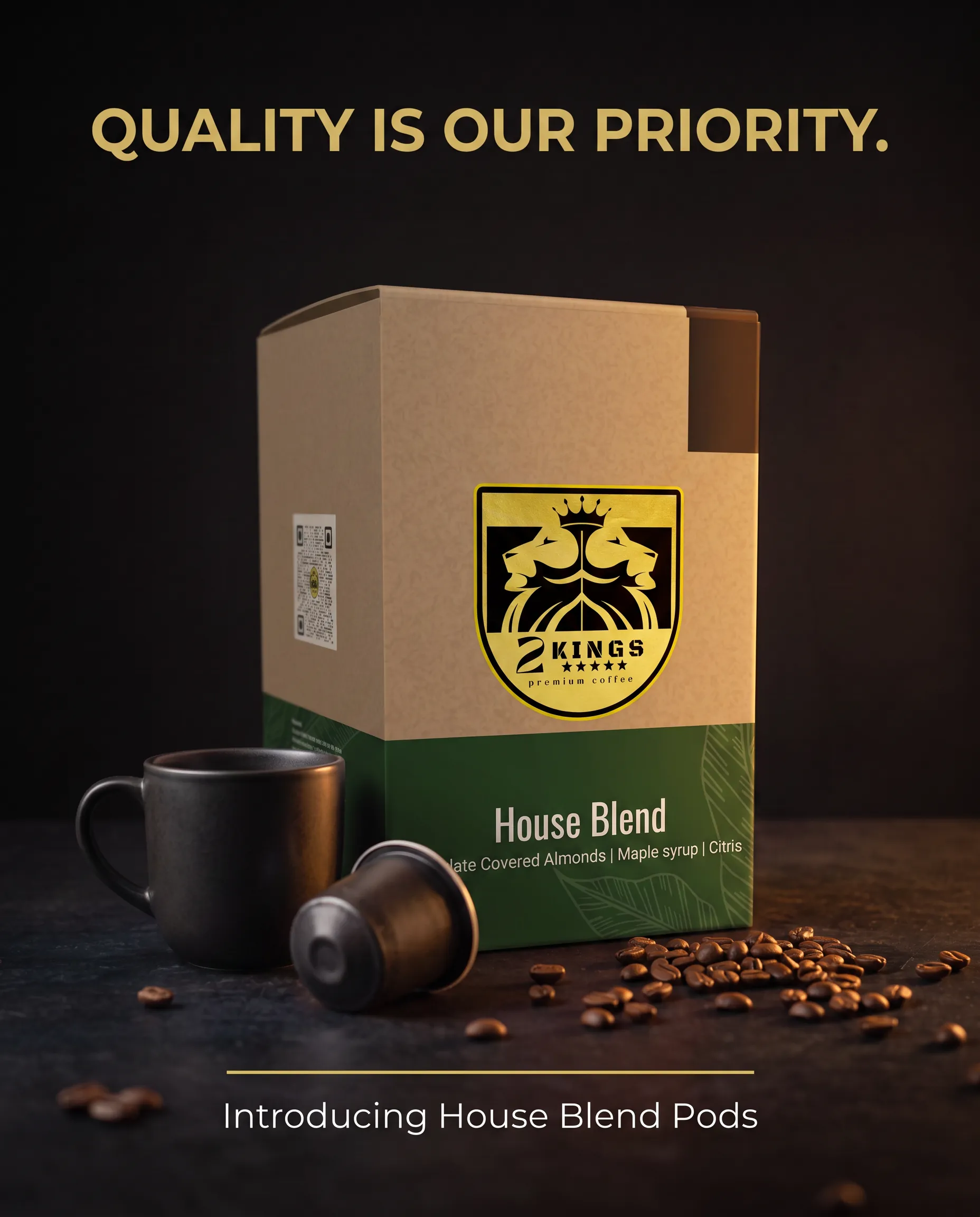
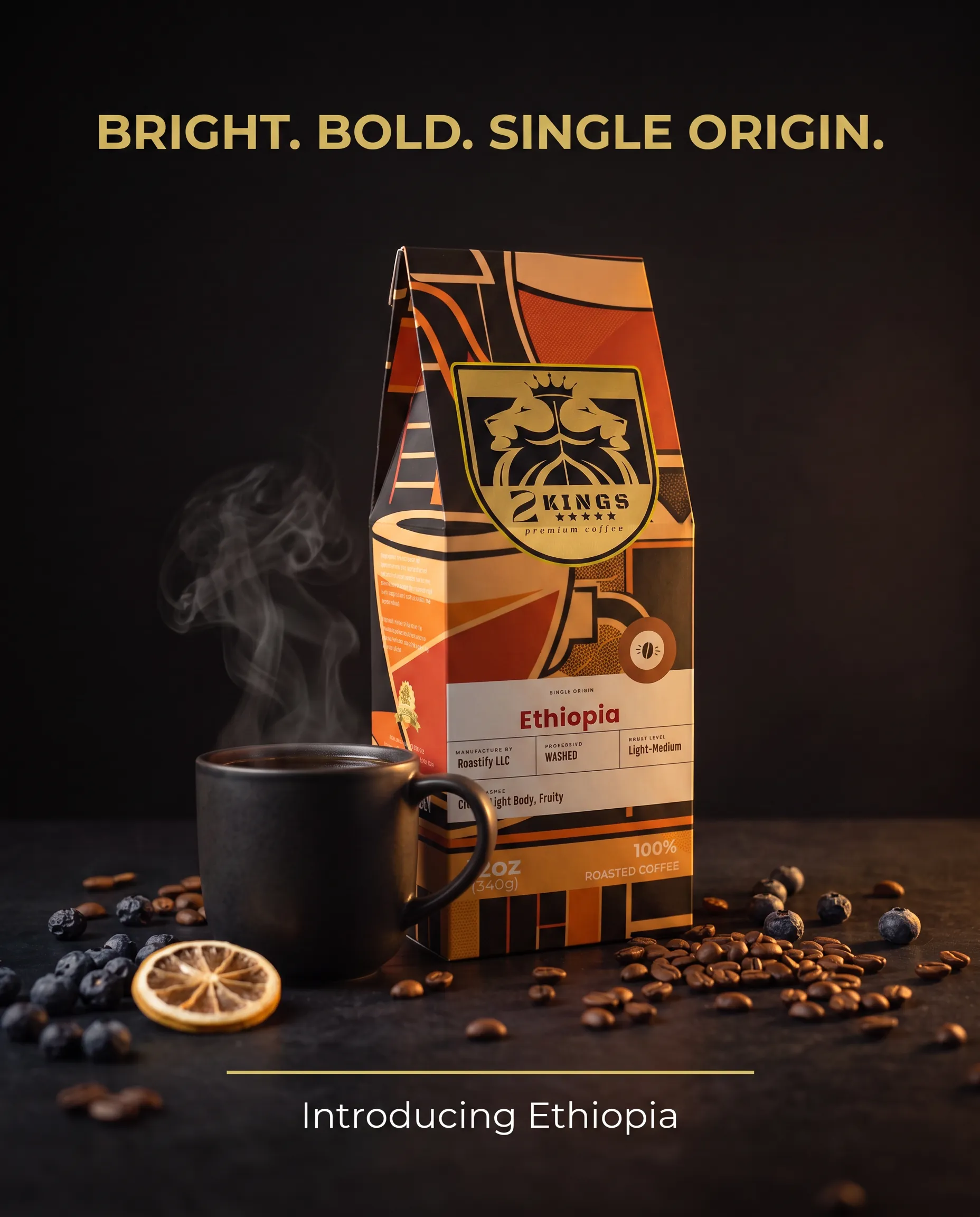
2 Kings offers a practical place to start with either routine. The House Blend pods are a medium roast with chocolate covered almond, maple syrup, and citrus notes for an easy single-serve option. If you prefer brewing grounds, explore the House Blend or browse the full coffee collection for roast profiles that better match your taste.
Every order is roasted after you place it and ships the same day. That means you can choose the convenience of a pod or the flexibility of ground coffee without settling for a bag that has been sitting around longer than your routine needs.
The Bottom Line
K-Cups and ground coffee solve different problems. Pods make a single cup easy, clean, and consistent. Ground coffee gives you more flexibility, more ways to brew, and usually a lower cost per cup. The better option is the one that helps you make coffee you enjoy often enough to become part of your day.
Start with the routine you already have. If speed and simplicity are what keep you from skipping coffee or grabbing an expensive drink on the way out, use pods. If you want to experiment with flavor and make coffee for more than one person, use grounds. Then let the quality of the coffee do the rest.

