
A bag of coffee can smell rich and lively when you first open it, then feel quieter by the time you reach the last scoop. The recipe may be the same. The brewer may be clean. Yet the fruit, floral notes, or sweetness you noticed earlier seem harder to find. Coffee freshness helps explain that change.
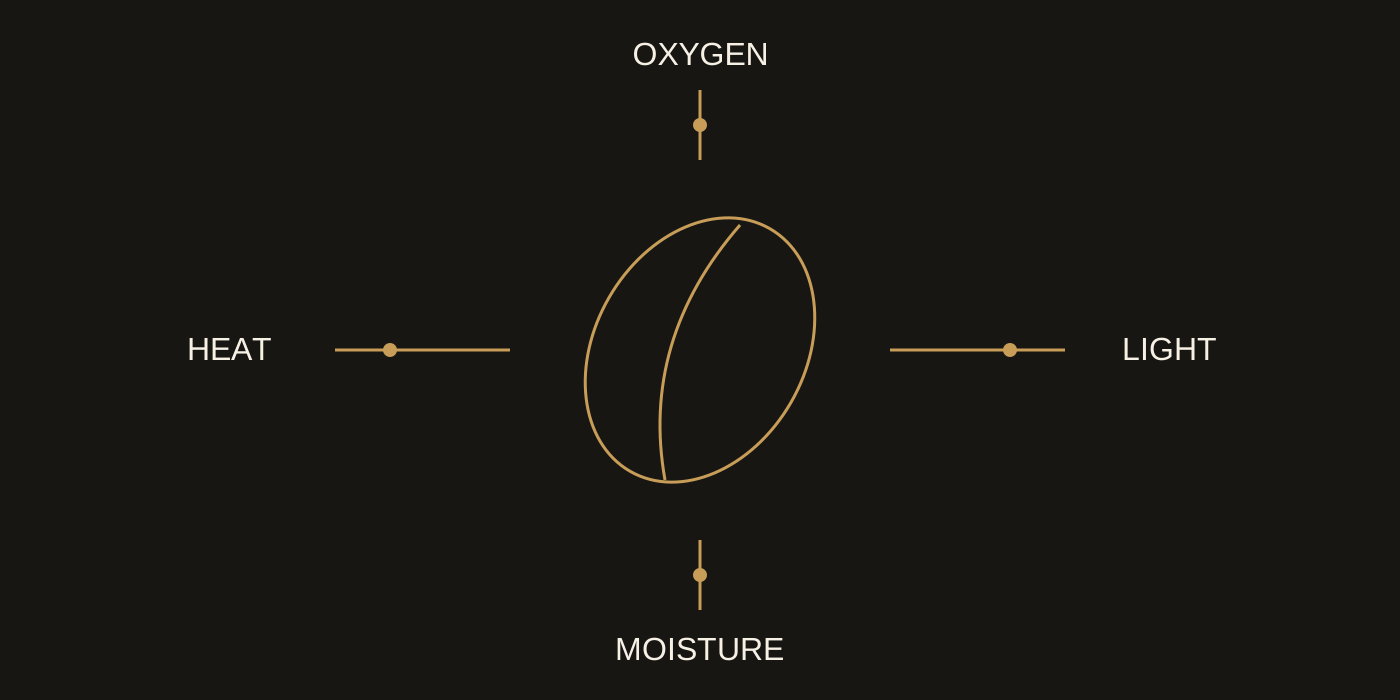
Roasting develops the aromas and flavors we enjoy, but those qualities keep changing afterward. Air, moisture, heat, and light all influence how well coffee holds its character. Grinding changes the picture again. Understanding these factors helps you protect the coffee you already love without turning your kitchen into a laboratory.
This guide explores the science behind that fading flavor, then turns it into everyday choices. If you want a quick cabinet-and-container routine, pair it with our guide to storing coffee beans. Here, the focus is what happens between opening the bag and taking that first sip.

Freshness Is More Than a Date
Think of freshness as how much of a coffee’s intended character remains available in your cup. A date helps you understand its journey, but it cannot tell the whole story. Two bags with the same roast date may taste different if one stays well sealed in a cabinet while the other sits open beside a warm appliance.
Freshness also does not mean that coffee must taste best the instant it leaves the roaster. Roasted beans release carbon dioxide, a process called degassing. The Specialty Coffee Association’s explanation of fresh coffee distinguishes gas release from oxidation. Both happen after roasting, but they are different processes.
For home brewing, that means you should resist rigid rules that promise a perfect cup on one exact day. Follow any resting or brewing advice supplied with your coffee. Then keep your method steady and notice what you enjoy. There is no universal 30-day cliff where every bag suddenly loses its flavor.
1. Oxygen Changes the Coffee
Oxygen does more than let a pleasant smell drift out of a bag. It can react with compounds in roasted coffee, including its oils. This oxidation can change aroma and contribute to unwanted stale notes. The SCA’s review of research on coffee staling describes several chemical and physical changes rather than a single event that makes all coffee stale.
You cannot remove all contact with air during normal use. You open the bag, measure a portion, and brew. The practical goal is to reduce unnecessary exposure between those moments. Keep the opening brief, close the package properly, and avoid leaving tomorrow’s grounds in an uncovered bowl overnight.
An airtight container helps limit fresh air entering, but it does not reverse changes that have already happened. Nor does an expensive canister automatically improve a poor routine. Start with a sound seal and a sensible amount of coffee. A simple container used carefully is more useful than a clever one left open all morning.
2. Moisture Makes Dry Storage Important
Coffee belongs in a dry storage space. A scoop that has just been rinsed, steam from a boiling kettle, or a damp shelf can introduce moisture where it does not belong. Keep wet utensils away from the beans and allow any washed container to dry fully before refilling it.
Separate everyday flavor loss from obvious damage. A slightly muted aroma is not the same as visible mold or wet coffee. Do not try to rescue visibly moldy or water-damaged coffee by grinding it or brewing it more strongly. Protecting your coffee begins with keeping its package and storage area clean and dry.
The location matters as much as the vessel. A tightly closed bag can still be awkward to use if it lives beside a steaming kettle or sink. Choose a cabinet where you can measure coffee with dry hands and a dry scoop. Small changes to the setup make a good habit easier to repeat on busy mornings.

3. Heat Speeds Up Flavor Changes
A warm spot can work against your coffee even when the bag looks perfectly sealed. Heat can speed chemical reactions and encourage aroma loss. For routine storage, the National Coffee Association recommends a cool, dark location in an opaque, airtight container. It specifically warns against heat sources such as nearby cooking equipment.
Look at your coffee station during the part of the day when it gets warmest. A counter may be cool at breakfast but catch strong afternoon sun. A shelf may sit directly above an appliance that runs for hours. Move the coffee to a more stable spot rather than judging the location only when you brew.
You do not need a temperature-controlled cabinet to make progress. Start by moving the bag away from the stove, hot appliances, and sunlit windows. Keep the rest of your brewing setup where it is convenient. The coffee itself can live a few steps away if that gives it a cooler, more consistent home.
4. Light Is Another Reason to Choose a Dark Spot
Clear jars make attractive coffee displays, but a bright counter is a poor place to keep your daily supply. Light exposure is another factor to limit, and sunlight can warm the container as well. An opaque container or a closed cabinet makes protection straightforward without requiring you to judge the strength of the light each day.
If you already own a clear airtight jar, you do not necessarily need to replace it. Put it inside a dark cabinet and check that the lid closes securely. That changes the environment around the jar while keeping a useful item in service. The result matters more than whether the container matches a particular coffee-station aesthetic.
For a shared kitchen, make the storage spot obvious. Keep the scoop nearby and leave enough room to close the lid easily. When everyone can find and put away the coffee without a search, it is less likely to stay on the counter after the first person brews.
Why Whole Beans Hold Their Aroma Better
Grinding breaks beans into many small particles and exposes more surface area. That gives aromas more opportunity to escape and brings more coffee into contact with air. The lively smell above a grinder is part of the pleasure of fresh coffee, but it also shows why grinding is best kept close to brewing.
Whole beans let you delay that step. Measure the amount you intend to brew, grind it, and leave the remaining beans protected. Our whole bean versus ground coffee guide can help you decide whether that extra step fits your mornings. Convenience is a valid part of the choice.
If you prefer ground coffee, focus on what you can control. Buy a quantity that suits your use, keep the bag well closed, and avoid leaving grounds exposed while you prepare the rest of breakfast. You can enjoy good coffee without owning a grinder. The aim is to make your chosen format work well for you.

What Flavor Loss Can Look Like in the Cup
Flavor loss is often subtle at first. You may notice less aroma while brewing, a less distinct finish, or fewer of the fruit and floral notes that made the first cups stand out. Later, dull or papery impressions may become more noticeable. These are useful observations, but they are not a precise clock.
A flatter cup does not prove that age is the only problem. Check whether you changed the water, used a different scoop, or let old oils build up in the brewer. Our guide to fixing bitter coffee helps separate brewing problems from the character of the beans. Change one thing at a time so the result tells you something.
A simple notebook can help. Record when you opened a bag, where it lived, and a short note about the cup. Keep the recipe consistent for a few brews. You are looking for a useful pattern in your own kitchen, not trying to award your coffee a laboratory freshness score.
Valve Bags and Airtight Containers: Different Jobs
A one-way valve allows gas to leave a coffee bag while limiting air entering through the valve. That is useful for roasted coffee that is still releasing gas. But the valve does not seal the top of an opened bag. A reliable closure and careful storage still matter every time you take out a portion.
An airtight container is useful when a bag cannot be resealed well. Choose one that is clean, dry, and easy to close. Keep it out of the light, and avoid mixing a fresh bag into a container that still holds old beans and oily residue. Finish the earlier coffee, clean as needed, and dry the container before starting again.
For everyday use, choose the option you will maintain. Keep the original package information so you can identify the coffee and follow its guidance. There is no need to transfer beans just for the sake of it when the bag already closes securely and lives in a suitable place.

A Small Routine That Protects Every Brew
Build your routine around the time between cups. Before brewing, take out only the coffee you need. Close the main supply promptly, then grind if you use whole beans. After brewing, make sure the bag or lid is fully closed and return it to its cabinet. These steps take little time once the storage spot is convenient.
- Keep the main supply cool, dark, and dry.
- Check the seal after every opening.
- Use a dry scoop and a clean container.
- Grind close to brewing when practical.
- Buy an amount that matches how often you make coffee.
- Keep your brewer clean so old oils do not confuse the taste.
If you regularly have several half-used bags, try opening fewer at a time. If one large bag lingers for weeks while you drink coffee only on weekends, consider a smaller purchase next time. The right quantity is the one that supports your actual habit, rather than the routine you imagine having.
Enjoy the Character You Chose
Good storage supports the flavors that drew you to a coffee in the first place. Browse the 2 Kings coffee collection for your next bag, then give it a simple, consistent home between brews. Choose flavor first and quantity second. You do not need to buy more than your household will enjoy steadily.
When you want to explore a different flavor direction, our coffee roast levels guide explains how light, medium, and dark roasts differ. Freshness helps preserve that character, but it does not make every coffee taste alike. A well-kept dark roast and a well-kept light roast can both be enjoyable for very different reasons.
Inspired by “Coffee Freshness: The Science Behind Flavor Loss” by Devi SAHAI Khinchi, Coffee Professional and Head Barista. This independently written 2 Kings guide expands the topic for home coffee drinkers, with additional guidance from the Specialty Coffee Association and National Coffee Association.

